This post may contain affiliate links, which means I’ll receive a commission if you purchase through my links, at no extra cost to you. Please read full disclosure for more information.
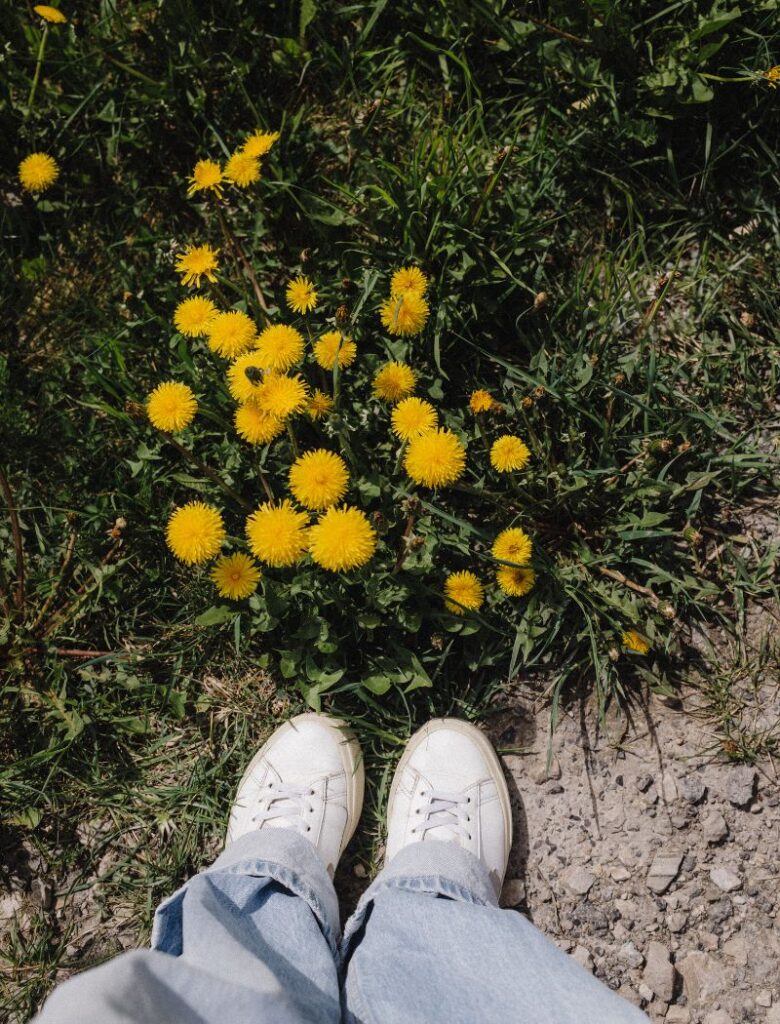
Spring not only brings a seasonal shift, but it also changes the whole mood and environment around you.
As the days grow longer, you may look forward to blooming flowers, warmer sunshine, and bright mornings that give a hope of possibilities and a subtle hum of new energy.
But this seasonal transition can feel overwhelming. More daylight can feel exposing, more energy around you can feel buzzing, and can make your tiredness more obvious. And it’s completely normal for spring to feel energizing and equally overstimulating.
Spring self-care is slowing down to find balance during this transition. With seasonal change, your nervous system is also adapting, and prioritizing your mental health means noticing how you feel beneath the surface of all the seasonal cheers.
Allow this season to be a quiet reset and not a call to rush growth. See this opportunity to pause, refresh, and nurture your mental space with intention.
How Does Springtime Affect Your Mental Health?
Most people are aware of seasonal affective disorder (SAD) in the wintertime — depression occurring during the change of the seasons. However, surprisingly, moving into spring can also leave you feeling blue.
Clinical psychiatry professor Dr. Norman Rosenthal from Georgetown University Medical School describes spring’s dramatic shifts as erratic — one day is beautiful and warm, while the next is rainy, gray and cool. As a result, your body must learn to adjust physically and mentally.
Spring is often coupled with a desire to change — to move away, find a new career or leave a relationship — which can feel as unsettling as it is exciting. Your sleep habits may also need work, especially with daylight savings time.
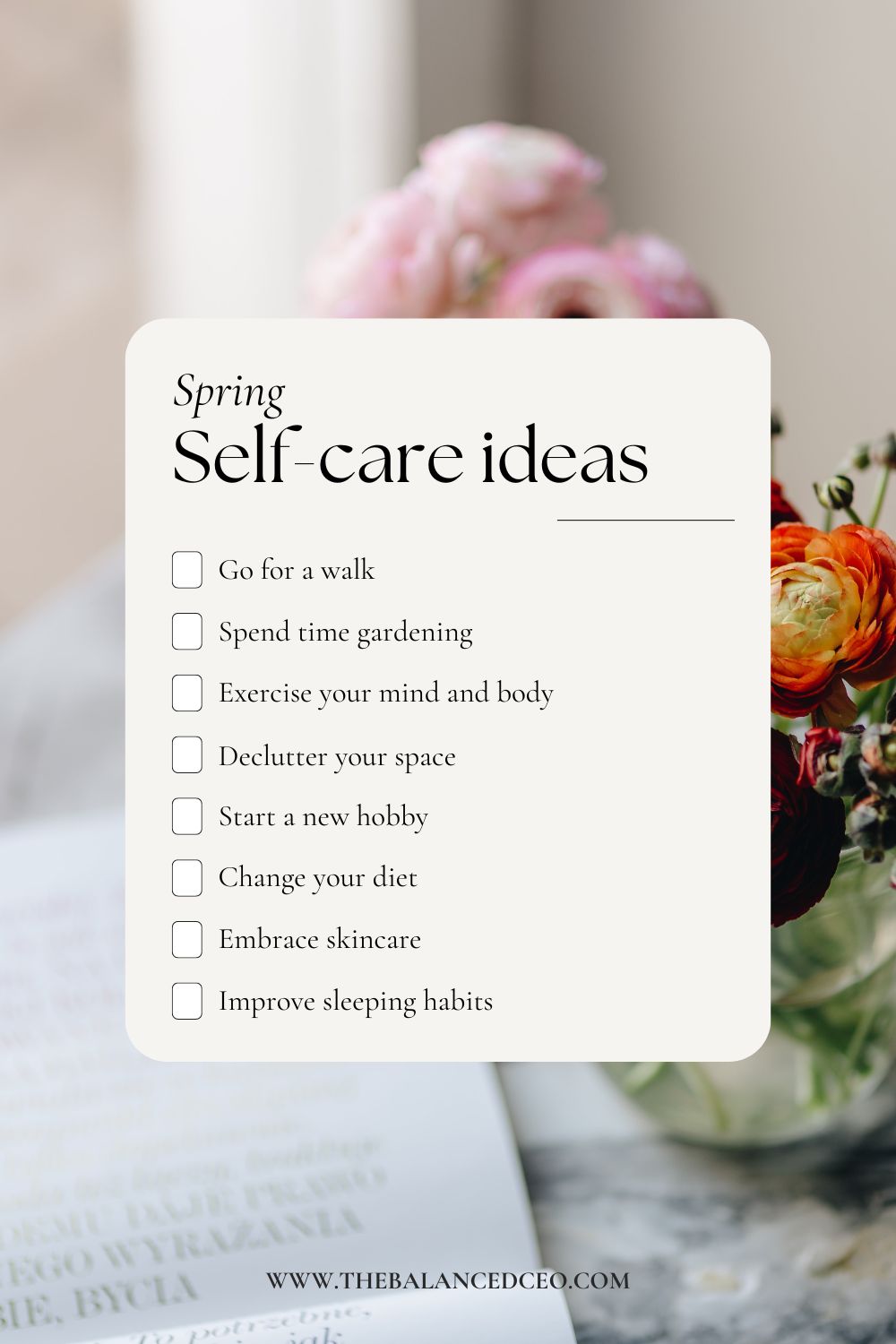
8 Gentle Ways to Practice Spring Self-Care
If the seasonal shift brings a mix of restlessness and renewal at the same time for you, you’re not alone. That in-between feeling is often a signal that your mental health needs a little more care.
But your seasonal self-care should be supportive, and not about performing wellness. Let the warmer weather mark the soft seasonal reset that isn’t demanding, instead feels grounding, steady, and genuinely nourishing.
1. Go for a Walk
Those who can’t or don’t want to join a gym can get a healthy dose of endorphins by walking. Research shows walking eases anxiety, boosts your mood and improves restlessness. It also helps your nervous system settle, gently guiding your body out of stress and into a calmer state.
Regardless of the slow-paced, cyclical aspect of this exercise form — making it an activity most can participate in — it exposes you to natural environments.
Only 120 minutes spent in nature weekly is associated with improved mental and physical well-being. Other findings indicate reduced stress and cortisol levels when you spend 20–30 minutes outside in urban areas.
2. Spend Time Gardening
If the running joke is you can’t keep plants alive, spring is the perfect time to prove everyone wrong. Gardening improves mental health outcomes by forcing you outdoors, promoting physical activity and providing opportunities to socialize. According to one study, 65% of participants who garden say it’s their favorite leisurely hobby, inducing calmness and satisfaction.
If you’re new to gardening, start small. A contained bed, flower pots or raised garden is ideal for growing a few plants. For full sun, ensure the location you choose receives at least six hours of sunlight daily, while plants requiring partial sun should receive four to six hours.
3. Exercise Your Body and Mind
Exercise benefits both your body and mind, especially when you combine it with meditation. While many of us listen to music or podcasts while we workout, try turning the distractions off. Focus on how your body feels as you move, and practice breathwork to help relax your mind.
Yoga is best known for combining exercise with meditation, but it’s not the only option. Swimming has been shown to improve your mood and reduce anxiety. Walking and running can also help you get into a meditative state. Leave your headphones at home and listen to your body the next time you hit the gym.
Even a quiet evening stroll or a gentle morning stretch can also calm your nervous system and ease tension.
If Morning Routines Don’t Work for You? Try This!
4. Declutter Your Space
A 2024 survey by the American Cleaning Institute found 80% of people engage in spring cleaning at least once annually. Another 62% said decluttering helps their mental and physical health.
Clean out your closets and drawers this spring as a form of self-care, but focus on one space at a time to avoid feeling overwhelmed. Sifting through your belongings and deciding what to keep allows you to reorganize them differently. Ultimately, you want your home to feel and look calming, relaxing, and inviting.
For a more sustainable approach to decluttering, see what you can give a second life to, like turning old clothes into cleaning rags. Donate gently used items to people who need them.
Related Read: Spring Cleaning Ideas to Bring New Life to Your Home
5. Start a New Hobby
Spring is the perfect time to return to doing things you love or finding new hobbies. Is there a craft you’ve always wanted to try or have you wanted to hone your cooking skills? Set aside time in your busy schedule to prioritize exciting activities.
Yoga, fishing, water coloring, and photography are just a few of the many springtime hobbies you can participate in. Blooming flowers and sunnier days are ideal for photographing or painting landscapes. You can even bring your yoga mat to the patio for a nature-based meditative experience.
6. Change Your Diet
When the weather is cold, many people lean toward rich, creamy comfort foods to keep warm. However, by April, you may be eager to eat lighter fare. Embrace salads, freshly caught salmon, bright-green herbs, and organic fruits and vegetables to gently fuel your body with food that feels light but balanced and supportive.
Depending on the weather, you can light the grill before summer begins. Collect recipes you want to try. Explore balanced, seasonal meals that keep you content and commit to healthier eating habits as well.
You’ll feel better physically and mentally and benefit from renewed energy when you prioritize consistent nourishment instead of strict diets.
7. Embrace Skin Care
Adopting a skin care regimen this spring will help you eliminate the dry, flaky skin you had during the cold season. Purchase new products for your skin type, such as a gentle cleanser, exfoliant, and moisturizer that deeply hydrates and leaves your skin soft witha healthy glow.
Topical skincare items with Vitamin E oil combat inflammation and redness, benefiting the skin cell barrier. If you spend more time outdoors, you should also apply SPF to your face and body. Treat SPF as your everyday layer of self-care that protects your skin health while you soak up the sun.
Try to keep your skin-care simple and focused on a few essentials that you can make a part of your daily ritual instead of another obligation.
8. Improve Sleeping Habits
Experts recommend adults get seven hours of sleep each night, which you may find laughable if you have insomnia or poor sleeping habits. However, a restful night is essential for your mental health as the seasons change, making sleep a foundational form of your mental health self-care.
Create a new evening routine, including turning off electronics an hour before bed, exercising and eating dinner earlier, and avoiding drinking caffeine too late. Waking up and going to sleep at the same time every day is equally important to improving sleeping habits.
But avoid turning these practices into a strict standard, see them as a part of a supportive mental health routine. Create a new evening routine: How to Create a Better Sleep Routine
How to Create a Simple Spring Self-Care Routine
A simple spring self-care routine starts with keeping it realistic. Instead of overwhelming yourself with choices, start with any one or two habits that truly feel nurturing.
Allow your routine to adjust weekly—some days you may need more rest, other days more movement—don’t force it to look the same every day. And above all, listen to how your body feels—check in with your energy, mood, and physical comfort.
When self-care is simple and restorative, it gently helps you feel calm and steadier through the season.
Also Read: Journal Prompts to Reflect & Prepare for the New Year
Step Into Spring With Positive Mental Health
You don’t need to reinvent yourself or require a complete reset to support spring self-care. Taking care of yourself doesn’t have to be drastic. Small changes added without guilt are enough.
Make this season about turning in and listening to yourself. Let yourself be mindful of when you need space, calm, or a touch of grace.
If it feels aligned, let these gentle self-care ideas slow down and explore gentle routines, wellness journals, or a planner that nourishes you without pressure.

Cora Gold
Contributor
Cora Gold is the Editor-in-Chief of Revivalist magazine, a publication dedicated to happy, healthy, and mindful living.




Leave a Reply