This post may contain affiliate links, which means I’ll receive a commission if you purchase through my links, at no extra cost to you. Please read full disclosure for more information.

Exercise supports more than fitness — it helps manage stress, balance emotions, and build confidence. Women can experience high rates of anxiety and depression, but movement offers a natural way to find relief. These workout activities focus on clarity, connection, and resilience through simple, consistent habits.
Empowering Exercises to Boost Your Mental Health
1. Walking for Clarity and Calm
Walking offers a gentle yet powerful way to support mental and physical health. It works for all ages and fits easily into most lifestyles, even for women managing joint pain or arthritis. Just 30 minutes of walking for 10 days can lead to a drop in depression symptoms.
This simple movement increases oxygen flow throughout the body. It helps raise amounts of hormones that regulate your central nervous system and lower cortisol — the hormone connected to stress. Consider walking outdoors to see if it has similar results, maybe between work breaks or even instead of driving your car.
2. Yoga for Mindfulness and Balance
Yoga blends breath, movement and stillness to center the body and calm the mind. Each session supports emotional regulation through posture — asanas — breath control — pranayama — and meditative focus. Practicing yoga increases alpha and theta brain waves, which create a state of relaxation, and doing it regularly reduces stress and supports processing.
3. Strength Training for Confidence and Resilience
Strength training builds more than muscle — it also boosts self-esteem and fosters a sense of achievement. Lifting weights or using resistance helps increase serotonin, which contributes to regulating your mood and reducing your emotional fatigue. Over time, this type of training improves posture, supports metabolism and sharpens mental clarity.
Start with body weight movements like squats or pushups. These exercises can promote self-discipline and offer a steady sense of progress. Every small win reinforces confidence. The physical challenge also trains emotional resilience, helping you stay steady when life feels unpredictable. Through strength training, you can feel strong, both inside and out.
4. Dancing for Joy and Social Connection
Dancing helps create new neural pathways in the brain, which in turn enhances thinking and inspires creativity. It blends joy, movement and emotional release. Whether in a group class or even in your living room, it activates the brain and encourages full-body expression. The activity has a positive effect on mood and mental function, especially through its blend of social, physical and cognitive benefits.
Repeating choreography trains focus, while free movement invites emotional expression. The shared energy of a class builds belonging without words. This ancient form of movement has existed for thousands of years because it helps people process emotions, celebrate life and find balance through motion. Ready to join a dance lesson?

5. Stretching for Stress Relief and Mindfulness
It may seem simple, but stretching daily can make a big difference in both your physical and mental health. Whenever you have free time in the day, practice some gentle stretches, holding each position for 20 seconds before slowly releasing.
Stretching can allow you to check in with your body and prevent injuries from other exercises. You can also take the opportunity to practice mindfulness. While you stretch, reflect on your day, recite affirmations and release your stress as you release the tension in your body.
6. Tai Chi for Emotional Flow and Energy Balance
Tai Chi combines slow movements with purposeful intention, enhancing your mood by regulating breath, maintaining balance and clearing mental clutter. In addition to being a gentle and low-impact exercise, the time-honored practice serves as a safe and effective treatment option for postmenopausal working women.
Given that six out of 10 women have lost touch with their old friends, engaging in a new activity with a loved one may turn out to be a fantastic idea. Tai Chi could be a great option. Begin with simple forms to nurture a sense of calm energy.
7. Mindful Breathing for Stillness and Clarity
You respond to texts while reheating dinner, make lists in your head while driving and move from task to task without pause. In the rush, it’s easy to miss how you feel or what’s unfolding around you. Mindfulness involves intentionally directing your attention to the current moment and embracing it without any judgment. It is a key factor in reducing stress and enhancing overall happiness.
Simple techniques like belly breathing or grounding through your senses bring you back to the present. Over time, these moments of stillness help reduce mental noise and strengthen emotional steadiness.
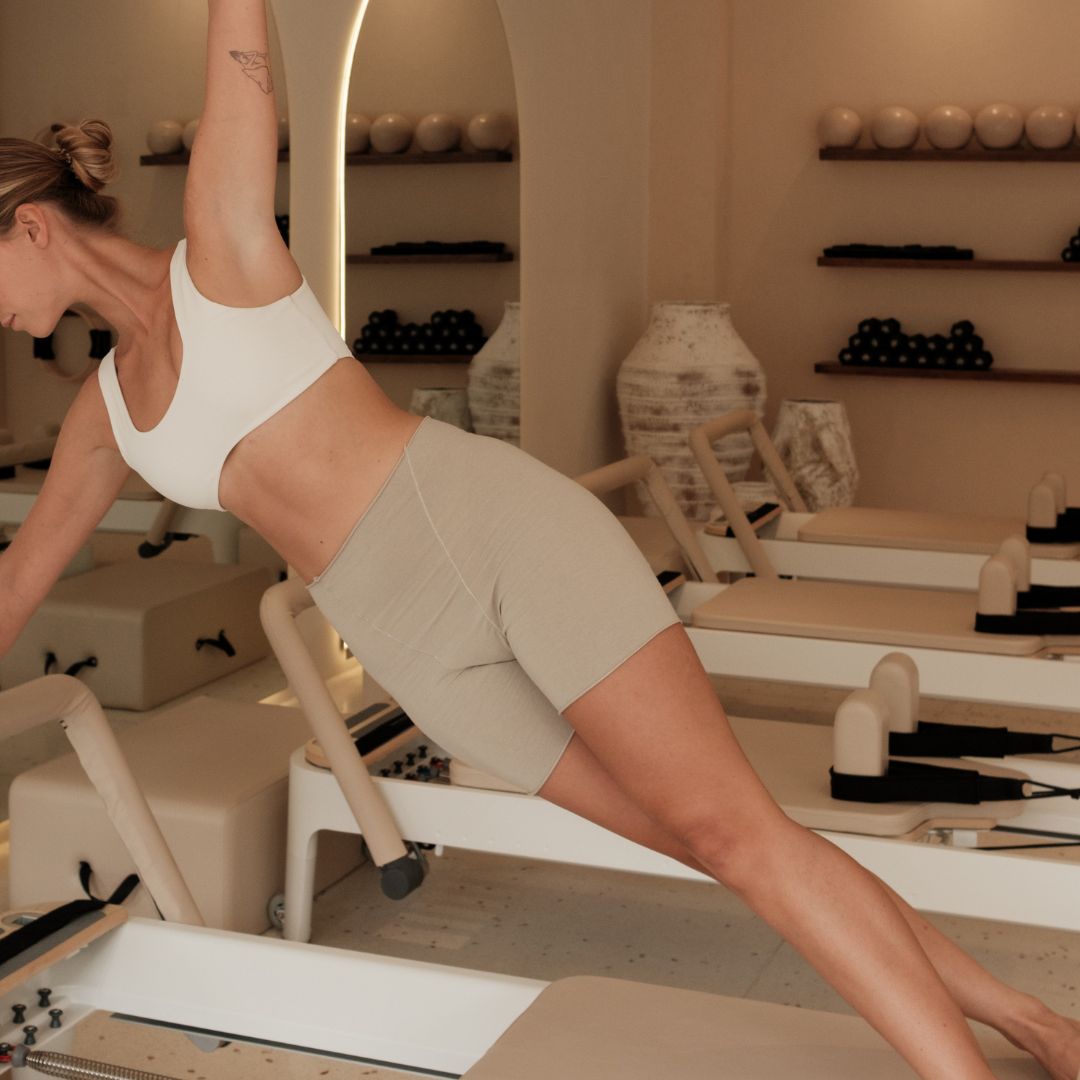
8. Pilates for Core Strength and Stability
Pilates combines breath, posture and mindful movement. Each session improves body awareness and builds a strong, stable foundation. Some routines target deep muscles that support balance and posture.
Though Pilates is gentle, it builds powerful core strength. It also supports alignment to reduce physical strain and improves energy. The exercise can better your mood and overall well-being. Pilates’ light-to-moderate intensity and mindful design make it ideal for women seeking both calm and control.
Why Exercise Matters for Women’s Mental Health
Women face depression at rates twice as high as men. Anxiety often overlaps, while men more frequently deal with challenges like alcohol or substance misuse. Though every experience differs, mental health patterns among women reveal unique stressors that deserve personalized care.
A lack of movement is related to higher rates of illness and increased health care costs. Yet even gentle exercise helps reduce these risks. Regular activity supports emotional well-being and physical strength, improves sleep, and supports recovery from a range of psychiatric conditions.
Embracing Movement for a Healthier Mind
Each form of movement offers space to reset, reconnect and recharge. Whether you walk, stretch or swim, small steps add up. Choose what fits your rhythm and let movement become part of your support system, physically and emotionally. When you do so over time, these habits help build a stronger sense of self and create space for joy. Movement is more than action — it’s a way to come home to yourself.
If you are looking to feel more empowered, think about exercise. It improves mood, focus and self-confidence. Additionally, it lowers stress levels, which often contribute to mental and physical health concerns. These eight exercises — designed with women’s real needs in mind — focus on clarity, balance and strength.

Cora Gold
Contributor
Cora Gold is the Editor-in-Chief of Revivalist magazine, a publication dedicated to happy, healthy, and mindful living.





Leave a Reply