This post may contain affiliate links, which means I’ll receive a commission if you purchase through my links, at no extra cost to you. Please read full disclosure for more information.
Bloating is one of those everyday inconveniences that almost everyone experiences at some point.
It can be quite uncomfortable and frustrating, especially when you’re genuinely trying to nourish your body and still not feeling your best.
While occasional bloating is completely normal, feeling bloated all the time is something you can manage. Adding the right food can support gut health and help prevent puffiness from becoming an everyday discomfort.
It may feel counterintuitive, but reducing bloating doesn’t always mean cutting foods out or following even a strict version of eating. Instead, adding more fiber, staying hydrated, and including gut-healthy food can make your digestion work more easily.
Here are 12 gut-friendly foods that can support digestive comfort and help reduce bloating naturally.
What Causes Bloating?
Bloating can happen due to everyday simple habits, like eating too quickly and swallowing extra air with food. Stress is usually the main cause of stomach discomfort and slow digestion.
Some hard-to-digest foods, including fatty meals, big servings of High-FODMAP foods, and ultra-processed meals, can make your gut work harder than usual. Changes in your gut microbiome, often referred to as dysbiosis, can also give you that uncomfortable puffed-up feeling.
And for many people, bloating can just be the result of digestive sensitivity or dehydration. But everyone’s body is different, so something that triggers bloating in one person may not affect others at all.
How Certain Foods Can Help Reduce Bloating
Bloating isn’t always caused by unhealthy food choices; sometimes your gut just needs better balance.
Certain foods can actually help calm this issue by reducing the inflammation in your gut, while also nourishing and supporting gut bacteria that keep your digestion running smoothly.
A few foods also boosts digestive enzyme activity that aids in breaking down heavier meals without discomfort. Adding these foods in your meals can support easier digestion and lower bloating as well.
12 Foods That Help Reduce Bloating Naturally
That heavy, bloating feeling can be unpleasant, but including the right food can improve your comfort greatly. These foods are gentle on your stomach and support healthy digestion as part of a balanced meal.
1. Ginger
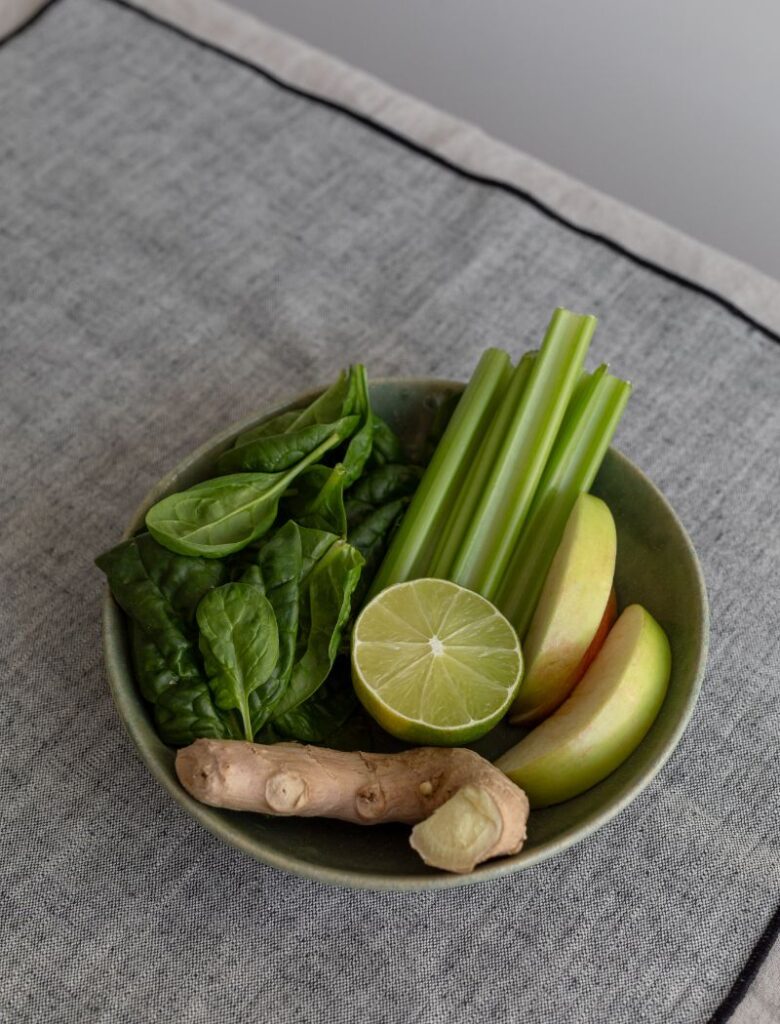
Ginger is often a go-to in many households to support healthy digestion. It supports regular gut movement, which can relieve trapped gas and the tight, bloated feeling. Its natural warmth makes it very easy to incorporate into any tea, anti-inflammatory drinks, smoothies, or daily meals.
2. Peppermint
Peppermint is known for having a naturally calming effect on the digestive tract by soothing the gut muscle and easing cramping. This is why a simple cup of peppermint tea after meals can be helpful for gently easing any pressure and bloating.
3. Pineapple
Eating pineapple after meals can do more than just satisfy your sweet cravings. It contains bromelain, a group of proteolytic enzymes that help digest protein efficiently, which can slow down excess fermentation in your gut and reduce that heavy, bloated feeling.
Satisfy your craving with: Gut-Healthy Desserts That Comfort Your Sweet Cravings Without the Sugar Crash
4. Papaya
Papaya also provides similar benefits. It contains papain enzymes that help your body break down protein into smaller, easily absorbed molecules, which prevents a heavy, sluggish feeling that often leads to bloating. It also contains high water and fiber content that helps support digestion by keeping food moving easily through the gut.
5. Yogurt or Kefir
Yogurt and kefir add beneficial bacteria to your gut. Regularly eating fermented food can support gut microbiome balance and gradually improve digestion, which makes you less prone to stomach issues over the long term.
6. Bananas
Bananas provide a high amount of potassium, a primary nutrient for maintaining balanced sodium levels in the body. High-potassium foods help regulate fluid balance, which can reduce swelling and ease bloating.
For those sensitive to fermentable carbs, ripe bananas are great options because they digest more easily than many other fruits, causing less gas or bloating.
Explore these recipes 4 High Fiber Muffin Recipes That Turn Your Daily Staples Into Nutritious Treats
7. Oats
Oats supply beta-glucan, a type of soluble fiber that can promote bowel regularity. As a prebiotic, it also supports healthy gut microbes. Since oats are a low-FODMAP food, oats contain few gas-triggering compounds, making them gentler on the stomach.
8. Cucumber
Cucumbers are 95% water, so eating them can naturally hydrate the body and flush out excess sodium and fluid that can contribute to puffiness and bloating. Cucumbers are also light and low in calories, making them easy to blend into water, smoothies, or salad.
9. Fennel
Fennel has long been traditionally used to calm many digestive discomforts. Both seeds and bulbs contain anethole, a compound that can soothe gut muscles and ease gas buildup. Relaxed muscles allow trapped gas to pass, helping reduce bloating.
Fennel also has a mild diuretic effect, so it can help the body release excess fluid and puffiness.
10. Leafy Greens
Leafy greens like spinach, arugula, and kale deliver plenty of fiber and water, which support easy gut movement. Eating more of these greens can ease constipation and reduce bloating, all the while providing other nutrients that support gut wellness.
11. Chia Seeds
Chia seeds are an excellent source of dietary fiber—with 2 tablespoons providing about 10g of fiber, helping reduce bloating and promote regular digestion. Make sure to pre-soak chia seeds before eating to potentially prevent slower digestion and constipation.
12. Bone Broth
Bone broth provides gut-friendly compounds like gelatin and amino acids that strengthen gut lining and calm inflammation. A healthy gut helps move food more easily through the digestive tract, lowering the chance of gas and bloating. Plus, bone broth is easily digested, which can be a soothing choice for days when you are bloated and feeling heavy.
Simple Habits That Also Help Reduce Bloating
- Eat with an unhurried, slower pace to reduce swallowing excess air and give your stomach time to process food.
- Make sure you’re drinking enough water to support gut movement.
- Simple activities, like walking for a few minutes after each meal, can help relieve the heavy, bloated feel.
- Try to ease daily stress whenever you can, as it can disrupt normal digestion.
- Avoid overeating. Overloading can leave your stomach feeling heavy and slow digestion.
Related Read: A Simple Gut Reset Routine (No Detoxes Required)
Make Gut-Friendly Grocery Shopping Easier
Keeping a mental list of gut-supporting food while grocery shopping can feel overwhelming. To make your grocery trip and meal prep easier, download this free Gut-Healthy Grocery List. It includes simple, everyday kitchen staples that can help you whip up digestive-friendly meals in no time.
Consider This
Feeling occasionally bloated is completely normal, but making tiny changes in your eating habits can help ease the symptoms.
Incorporating digestion-supportive foods in your meals can be a simple change that, over time, helps your gut feel lighter and more comfortable. Try experimenting with including these foods in your meal prep and see how your body responds, and gradually build a habit that nurtures your body.





Leave a Reply