This post may contain affiliate links, which means I’ll receive a commission if you purchase through my links, at no extra cost to you. Please read full disclosure for more information.
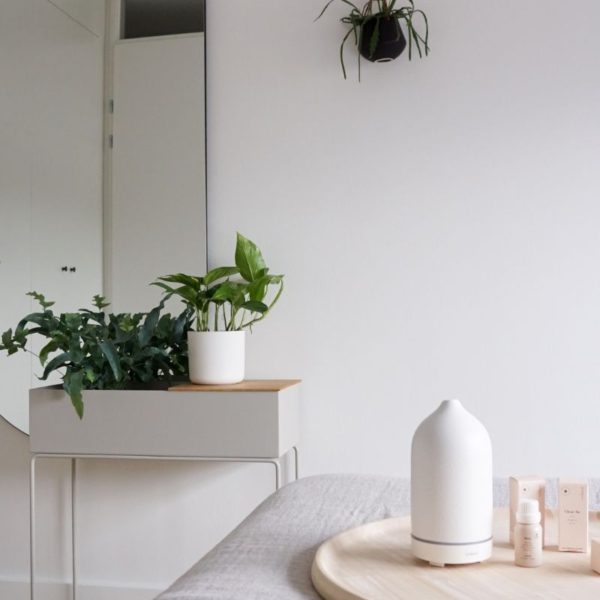
The bedroom is the one space in your entire home whose sole purpose is to help your mind and body recover from the day and refuel for tomorrow.
The moment you step into your space, it should send signals to your brain whether it’s time to stay awake or slow down. And if you feel weird instead of calm at night, your space might be part of the problem.
After a long day of constant screen, back-to-back tasks, and emotional ups and downs, your room can either keep the stimulation going or help you finally relax.
Your nervous system is always reading your surroundings, and to help it ease up, the key is to create a space that tells your body it’s safe to unwind.
Transforming your bedroom is really about changing your nighttime reset. It’s about moving your mind and body out of constant buzz and adding a little ease.
With a few mindful changes, you can support your nervous system and help your bedroom turn into a calming space.
1. Choose Relaxing Lightbulbs
Did you know the color of light has different effects on the body? The temperature of lighting also impacts how energized or relaxed you can feel. If you are building a calming bedroom, begin with a lighting upgrade.
A soft white light provides brightness without being stark or uninviting. Warm lights can help you feel relaxed, while cooler temperature light is better for high-energy and working environments.
Your lightbulbs are also affected by the fixtures they sit in. Pendant lights, floor lamps, or flush-mount ceiling fixtures can create gentler lighting that helps keep you calm and improve your overall sleep environment.
2. Select a Soothing Paint Color
The color on your walls affects your bedroom wellness far beyond it simply looks.
Various shades can affect your mood and energy levels, so the one on your bedroom walls is crucial for rest.
Cooler blues, warm whites, blushes, and calmer green or grays work well to create a soothing ambiance that’s easier to relax in than bright colors. Because these shades create a naturally soft atmosphere, they help you create a calming space that feels easy to relax in, not overstimulating like bold colors.
3. Use a Diffuser
Scents have a powerful effect on our brains, helping to energize or relax us.
Citrus smells help you feel more energy, peppermint can help you feel less nauseous, and lavender and eucalyptus can help you relax. Using a diffuser in your bedroom can help create a soothing environment to calm down in.
You can either get an electric diffuser or choose a bamboo one that doesn’t require energy. Set it on your nightstand as you prepare for sleep. You can also use it as a meditation aid or part of your nighttime routine.
Aromatherapy has a few side effects, so be sure to test with a small amount first to ensure you don’t react.
Related Reads:
• 12 Best Fall Candles for Calming Vibes
• 10 Things to Consider Buying If You Want to Sleep Better
4. Add Some Plants
Plants near your bed are scientifically proven to help you get a better night’s sleep.
Houseplants help produce oxygen and reduce the amount of carbon dioxide, carbon monoxide, and other gases that harm your sleep quality.
Plants also could impact your thought process. Living things can boost your mood, helping you feel more content while you fall asleep.
5. Try a Weighted Blanket
A weighted blanket in your bedroom could be your solution to enhance your bedroom for better sleep if you suffer from frequent stress.
These blankets offer deep pressure stimulation, which increases mood-boosting hormones like serotonin and decreases stress hormones like cortisol.
Weighted blankets can help with anxiety, allowing you to drift off easier and sleep better. They’ll help you wake up relaxed and ready to take on the day.
6. Declutter
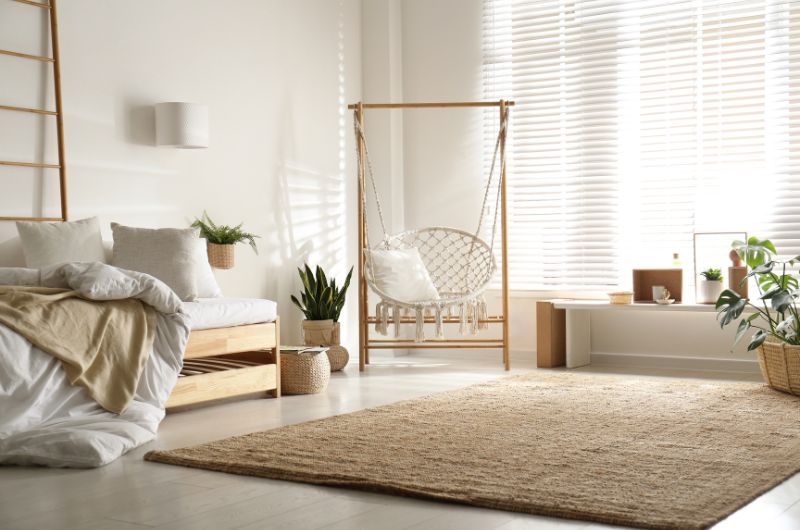
It’s easy to let your bedroom become a cluttered place. Since it’s a private part of the house for most people, it’s simple to put excess personal items in it. When you come home after a long day, dropping your clothes and shoes on the floor is tempting instead of putting them in a hamper or closet.
However, excess mess can make your mind stressed and overstimulated. Clutter can also lead to dust, mold, and mildew in areas where it’s set for a while. Get rid of things you haven’t used in years. You will probably never miss them.
Try a minimalist design to create a calmer and more spacious room where you can breathe easy and relax.
7. Remove Screens
Screentime interferes with your brain’s ability to sleep as deeply as it needs to. Screens also have news and social media access, which can add to stress and anxiety.
Eliminating televisions, phones, and tablets from your bedroom removes blue light, reduces the amount of noise your brain stays aware of, and eliminates sources of excess stress.
Disconnecting helps you commit to relaxation fully, and you won’t be as tempted to scroll through social media or turn on the television.
8. Get the Right Window Treatments
Natural light has many mental and physical health benefits, but you want to dampen any harsh light from entering a calming space. If your bedroom windows get a lot of sun, here are some window treatments to think about.
Black-out curtains are excellent at cutting out any extra sun or streetlights when you need to sleep. Their thickness can also help eliminate some outside noises. You can get versions that let small amounts of light filter through if you prefer.
Light-filtering shades also work as a great alternative and can filter sunlight into a soft light that adds a soothing glow to your space.
9. Prioritize Pillows
Suitable pillows can significantly affect your quality of rest. You want cushions that help keep your spine in alignment.
Investing in quality pillows for your head, neck, and legs ensures you can sleep in optimal comfort without putting unnecessary stress on muscles. Some are hypoallergenic and antimicrobial, which can work well for people sensitive to dander and allergens.
Knowing what type of pillow is for you might take a few tries. Different firmness and materials can combine to create your optimum comfort level.
10. Make Your Bed
It sounds simple, but making your bed daily can make your bedroom a calmer space.
According to a recent poll, people who make their bed are 19% more likely to sleep well every night than those who don’t. The action may also make you more productive.
Making your bed allows you to be mindful about your rest, and you can even do some active meditation. It will feel more like an official resting place.
Creating a Calming Space
At the end of the day, your bedroom should feel like a sanctuary, not a showroom. It’s the place where your nervous system finally relaxes, your day wraps up, and your body doesn’t have to try hard to unwind.
And you don’t need expensive upgrades—just a few thoughtful changes, like better lighting, cozy textures, and less clutter, can completely change how your room feels. And once your space starts feeling calm and intentional, that shift in energy follows into your day.
To really boost your vibe, pair these cozy bedroom ideas with simple evening routines, a few grounding affirmations for better sleep, or gentle rituals that can further cue your body to relax.
Better sleep creates a steadier morning, and if your everyday morning routine feels overwhelming, you can try this gentle alternative: Morning Routines Don’t Work for You? Try This!

Cora Gold
contributor
Cora Gold is the Editor-in-Chief of Revivalist magazine, a publication dedicated to happy, healthy, and mindful living.




Leave a Reply